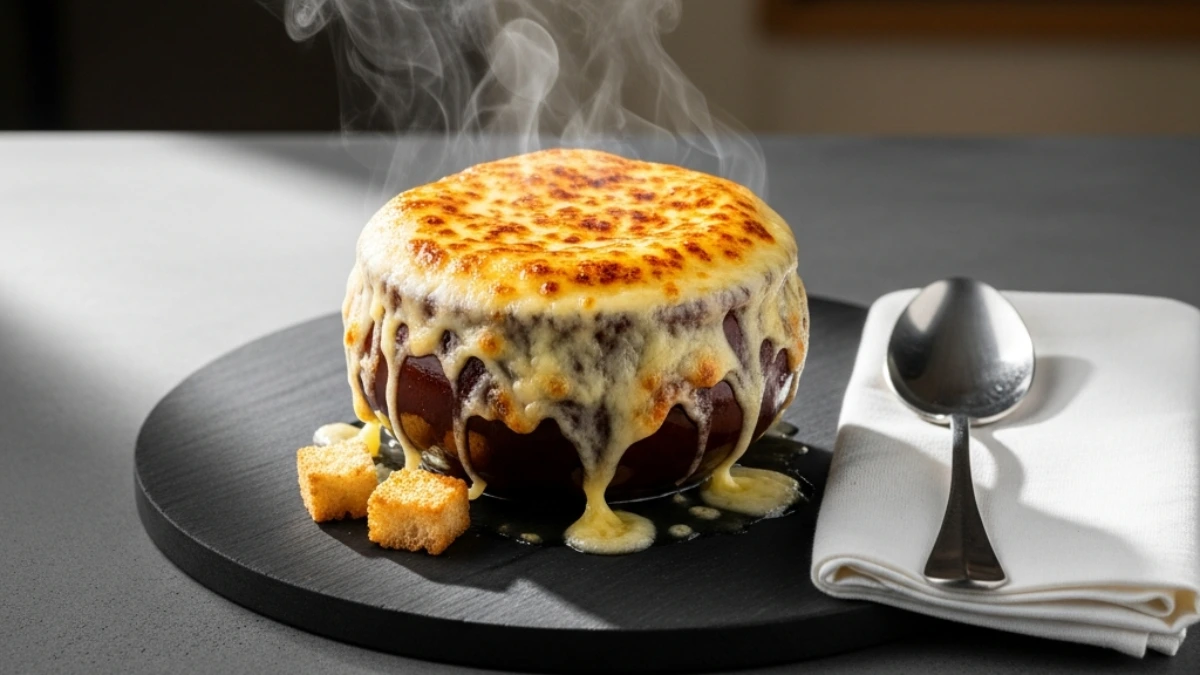
Shrimp and grits is a classic Southern dish from the Carolina Lowcountry that transforms simple ingredients into pure comfort.
I’ve been making this recipe for years, and it never gets old.
The creamy grits, the perfectly seasoned shrimp, that rich sauce. It hits every single time.
People think shrimp and grits is complicated. It’s not. You just need to know a few tricks, and I’m going to share all of them with you today.
This comes together in about 30 minutes, uses ingredients from any grocery store, and tastes like you’ve been cooking all day.
No bland grits. No rubbery shrimp. Just really good food.
What Makes This Shrimp and Grits Recipe Different
Most recipes overcomplicate things or skip the steps that actually matter.
Mine doesn’t.
| Feature | Why It Matters |
|---|---|
| Stone-ground grits | Creates that authentic creamy texture you can’t get from instant |
| Bacon-rendered fat | Adds smoky depth to the sauce that oil can’t replicate |
| Cheese stirred in at the end | Prevents the cheese from breaking and getting grainy |
| Shrimp cooked last | Keeps them tender instead of rubbery |
| Fresh lemon juice | Brightens the rich sauce and balances the flavors |
The secret is in the layering of flavors. Each step builds on the last one.
Cook the bacon first to get that fat. Use it to sauté your vegetables. Build your sauce in those same flavors. Then add your shrimp at the very end.
That’s how you get depth without spending hours in the kitchen.
What You’ll Need
For the Grits:
- 1 cup stone-ground grits
- 4 cups whole milk (or half milk, half water)
- 2 tablespoons unsalted butter
- 1 cup sharp cheddar cheese, freshly grated
- ½ teaspoon garlic powder
- Salt and black pepper to taste
For the Shrimp:
- 1½ pounds large shrimp, peeled and deveined
- 4 slices thick-cut bacon, chopped
- 1 tablespoon olive oil
- 3 cloves garlic, minced
- 1 small yellow onion, finely diced
- 1 bell pepper (red or green), diced
- 2 tablespoons all-purpose flour
- 1½ cups low-sodium chicken broth
- ½ cup heavy cream
- 1 tablespoon fresh lemon juice
- 1 teaspoon Cajun seasoning
- ½ teaspoon smoked paprika
- ¼ teaspoon cayenne pepper
- 2 tablespoons fresh parsley, chopped
- 2 green onions, sliced thin
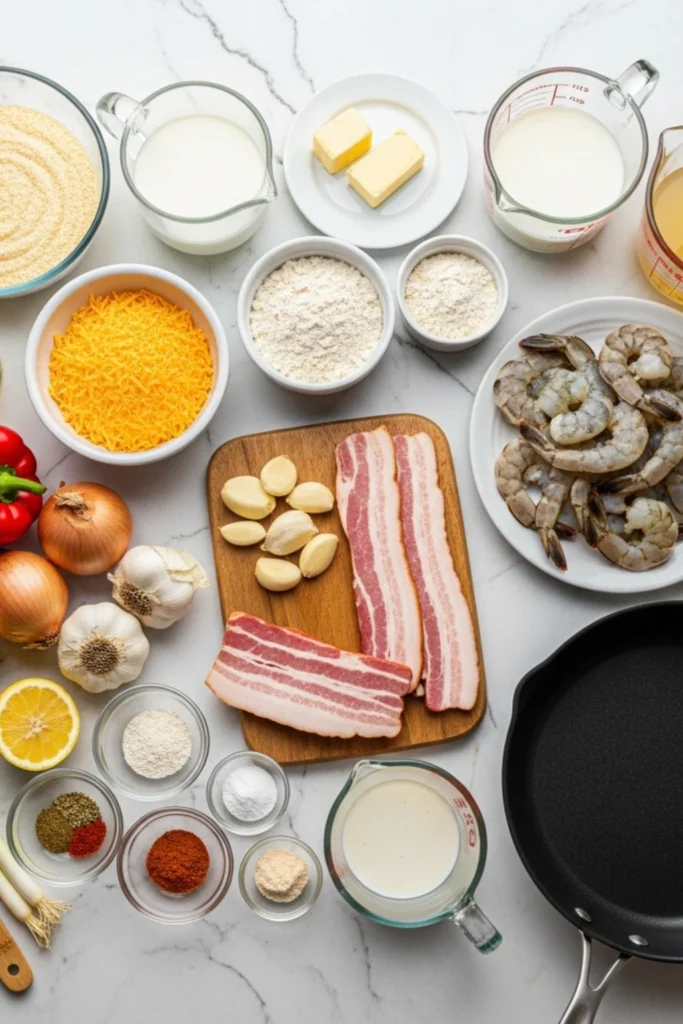
Tools:
- Medium saucepan
- Large skillet or sauté pan
- Wooden spoon or whisk
- Measuring cups and spoons
- Sharp knife and cutting board
- Cheese grater
Pro Tips
Don’t rush the grits. I know 25 minutes feels like forever, but stone-ground grits need time to break down and get creamy. Stir every few minutes to prevent sticking and you’ll end up with grits that taste like they came from a Southern grandma’s kitchen.
Pat your shrimp completely dry.
Wet shrimp will steam instead of sear. You’ll end up with a watery sauce and sad, gray shrimp.
Use paper towels and really press down to absorb all the moisture. This one step makes a huge difference.
Cook the bacon first.
That rendered bacon fat is where your flavor comes from. Cooking it first means you’ll use that fat to sauté your vegetables, which adds another layer of richness you can’t get from oil alone.
Grate your own cheese.
Pre-shredded cheese has anti-caking agents that make it harder to melt smoothly. Freshly grated cheddar melts like butter and tastes way better.
Don’t overcook the shrimp.
Shrimp cook in 2-3 minutes. They’re done when they turn pink and start to curl. Overcooked shrimp get rubbery and chewy, which ruins the whole dish. When in doubt, pull them early.
Substitutions and Variations
| Ingredient | Substitute | Notes |
|---|---|---|
| Stone-ground grits | Regular grits | Reduce cooking time to 15 minutes |
| Sharp cheddar | Gruyère, pepper jack, or Gouda | Gruyère adds nuttiness, pepper jack adds heat |
| Large shrimp | Scallops or mixed seafood | Cook scallops 2-3 minutes per side |
| Bacon | Andouille sausage | Dice and cook the same way for more spice |
| Heavy cream | Half-and-half or coconut cream | Use coconut cream for dairy-free option |
| Cajun seasoning | Old Bay or homemade blend | Mix paprika, garlic powder, onion powder, cayenne |
Spice Level Options:
Mild: Cut cayenne in half, use sweet paprika instead of smoked
Medium: Recipe as written
Spicy: Double the cayenne, add hot sauce to finished dish, use pepper jack cheese
Dietary Swaps:
Gluten-free: Replace flour with 1 tablespoon cornstarch mixed with 2 tablespoons cold water
Dairy-free: Use unsweetened almond milk or oat milk for grits, skip cheese or use dairy-free alternative, coconut cream in sauce
Lower-calorie: Use half-and-half instead of heavy cream, reduce butter to 1 tablespoon
Make Ahead Tips
Grits reheat better than you’d think.
Make them up to 2 days ahead, store in an airtight container in the fridge, and reheat gently on the stove with a splash of milk. Stir constantly until creamy again.
The sauce base (everything except the shrimp) can be made a day ahead. Store it separately, then reheat and add fresh-cooked shrimp right before serving.
Prep your ingredients the night before. Chop the bacon, dice the vegetables, mince the garlic, and devein the shrimp. Store everything in separate containers so you can just dump and cook.
For dinner parties:
Make grits and sauce ahead. Reheat both 15 minutes before guests arrive. Cook the shrimp fresh in 5 minutes. They’ll be perfect instead of rubbery, and you won’t be stressed.
How to Make Shrimp and Grits
Step 1: Start the Grits
Bring your milk (or milk-water combo) to a gentle simmer in a medium saucepan.
Don’t let it boil over. That gets messy fast.
Slowly whisk in the grits, reduce heat to low, and cook for 20-25 minutes. Stir every 5 minutes or so to prevent sticking.
The grits are done when they’re thick, creamy, and no longer gritty. You should be able to taste a spoonful without any crunch.
Step 2: Cook the Bacon
While the grits cook, add your chopped bacon to a large skillet over medium heat.
Cook for 5-7 minutes until crispy. You want it nice and brown, not pale and flabby.
Remove with a slotted spoon and set aside on a paper towel-lined plate. Leave about 2 tablespoons of bacon fat in the pan. Pour off any extra.
Step 3: Prep the Shrimp
Pat shrimp dry with paper towels. Really dry them.
Season both sides with a pinch of salt, black pepper, and half the Cajun seasoning. Set aside while you work on the sauce.
Step 4: Sauté the Vegetables
Add diced onion and bell pepper to the bacon fat. Cook for 4-5 minutes until soft and starting to brown at the edges.
Add minced garlic and cook for another minute until fragrant. You’ll smell it when it’s ready.
Don’t let the garlic burn or it’ll taste bitter.
Step 5: Make the Roux
Sprinkle flour over the vegetables and stir constantly for about 1 minute.
This creates a base that’ll thicken your sauce. Don’t skip this step or your sauce will be thin and sad.
The flour should coat everything and start to smell slightly nutty.
Step 6: Build the Sauce
Slowly pour in chicken broth while stirring. It’ll thicken immediately.
Add heavy cream, remaining Cajun seasoning, smoked paprika, and cayenne. Bring to a gentle simmer and cook for 3-4 minutes until slightly thickened.
Stir in the cooked bacon. Taste and adjust seasoning if needed.
Step 7: Cook the Shrimp
Push the sauce to one side of the pan (or transfer to a bowl temporarily).
Add olive oil to the empty side, then add shrimp in a single layer. Don’t crowd them or they’ll steam instead of sear.
Cook for 2 minutes without moving them. Flip and cook another 1-2 minutes until pink and opaque.
Mix the shrimp into the sauce and turn off the heat.
Step 8: Finish the Grits
When your grits are done, remove from heat.
Stir in butter, grated cheddar cheese, garlic powder, salt, and pepper. Keep stirring until the cheese melts completely and everything is smooth and creamy.
The residual heat will melt everything perfectly.
Step 9: Plate and Serve
Spoon a generous portion of grits into bowls. Top with shrimp and sauce.
Squeeze fresh lemon juice over everything. This step is crucial. The acid brightens all those rich flavors.
Garnish with chopped parsley and sliced green onions.
Serve immediately while everything is hot.
Common Mistakes to Avoid
Using instant grits
They don’t have the same texture or flavor. Stone-ground grits are worth the extra 10 minutes.
Boiling the grits too hard
Keep them at a gentle simmer. High heat makes them splatter everywhere and cook unevenly.
Adding cheese while the grits are still on the heat
The cheese can break and get grainy. Always remove from heat first, then stir in the cheese.
Overcrowding the shrimp in the pan
Cook them in batches if you need to. Crowded shrimp steam instead of searing, and you lose that nice texture.
Forgetting the lemon juice
This is what makes the dish sing. Don’t skip it.
Nutritional Information
Per serving (serves 4)
| Nutrient | Amount |
|---|---|
| Calories | 580 |
| Protein | 38g |
| Carbohydrates | 42g |
| Fat | 28g |
| Fiber | 2g |
| Sodium | 920mg |
| Cholesterol | 285mg |
High in protein from the shrimp and cheese. The grits provide complex carbohydrates for sustained energy.
Want to reduce calories? Use half-and-half instead of heavy cream and cut the butter in half. You’ll save about 120 calories per serving.
What to Serve With Shrimp and Grits
This is pretty hearty on its own, but here’s what works:
Simple green salad with lemon vinaigrette. The acid cuts through the richness.
Roasted asparagus with garlic and olive oil. The slight bitterness balances the creamy grits.
Crusty French bread for soaking up that sauce. Don’t let any go to waste.
Cornbread if you want to go full Southern. Buttermilk cornbread with honey butter.
Collard greens cooked with bacon. Classic pairing that works every time.
Tomato cucumber salad with red wine vinegar. Light and refreshing.
Keep sides simple. The shrimp and grits are the star here.
Leftovers and Storage
Store grits and shrimp separately in airtight containers in the fridge for up to 3 days.
The grits will firm up when cold. Totally normal.
The shrimp will get tougher if you reheat them too long, so be gentle.
To reheat grits:
Add them to a saucepan with a few tablespoons of milk or water. Heat on low, stirring constantly until creamy again. Takes about 5 minutes.
For the shrimp:
I actually prefer eating them cold or at room temperature the next day. They’re still good.
If you must reheat, do it gently in a pan on low heat for just 1-2 minutes. Microwave makes them rubbery.
Don’t freeze this dish.
The texture of both the grits and shrimp gets weird when frozen and thawed. Just make what you’ll eat in 3 days.
Bonus tip:
Leftover grits make an amazing breakfast. Reheat them, top with a fried egg and hot sauce, and you’ve got yourself a Southern-style breakfast bowl that’ll make you forget about oatmeal.
FAQ
Can I use instant grits?
You can, but the texture won’t be the same. Instant grits are more processed and don’t have that creamy, slightly coarse texture that makes this dish special. If you’re in a rush, go for it, but try stone-ground at least once. You’ll taste the difference.
What size shrimp should I buy?
I use 21/25 count (that means 21-25 shrimp per pound). They’re labeled “large” at most stores. Bigger shrimp are easier to cook without overdoing them, and they feel more substantial in the dish. Avoid tiny shrimp. They overcook in seconds.
Do I have to use fresh shrimp?
Nope. Frozen shrimp work great and are often fresher than “fresh” shrimp at the grocery store. Just thaw them overnight in the fridge or run them under cold water for 15 minutes. Make sure they’re completely thawed and dried before cooking.
My grits are lumpy. What did I do wrong?
You probably added them to the liquid too fast, or the heat was too high. Next time, make sure the milk is just simmering (not boiling), and whisk constantly as you slowly pour in the grits. If they’re already lumpy, keep cooking and stirring. Most lumps will break down.
Can I make this ahead for a dinner party?
Make the grits and sauce separately ahead of time. Reheat both right before guests arrive, then cook the shrimp fresh. It only takes 5 minutes and they’ll be perfect instead of rubbery. This is how restaurants do it.
Is this dish gluten-free?
Almost. Grits are naturally gluten-free, but you’ll need to swap the all-purpose flour in the sauce. Use 1 tablespoon of cornstarch mixed with 2 tablespoons of cold water instead of the flour roux. Works just as well.
Why are my grits watery?
Either you used too much liquid or didn’t cook them long enough. Keep cooking until they thicken up. If they’re still too thin after 25 minutes, simmer for another 5-10 minutes uncovered to evaporate excess liquid.
Can I make this spicier?
Absolutely. Double the cayenne, use pepper jack cheese instead of cheddar, add a few dashes of hot sauce to the sauce, or serve with extra hot sauce on the side. I like Frank’s RedHot or Crystal for this.
The History Behind Shrimp and Grits
Shrimp and grits originated in the Carolina Lowcountry, particularly around Charleston and the Sea Islands.
It started as a simple breakfast for fishermen. They’d cook fresh-caught shrimp with stone-ground grits because both ingredients were abundant and cheap.
The dish stayed regional for decades. Then in the 1980s, chef Bill Neal at Crook’s Corner in Chapel Hill, North Carolina put it on his dinner menu with a fancy sauce.
That changed everything.
Now you’ll find shrimp and grits on menus from New York to California. Everyone has their own version.
Some add sausage. Others use tomatoes. Some make it spicy, some keep it mild.
But the best versions stick to the basics: good grits, fresh shrimp, and a flavorful sauce that lets both ingredients shine.
According to the Southern Foodways Alliance, shrimp and grits represents the African, European, and Native American culinary influences that shaped Southern cooking. The grits come from Native American corn traditions, the shrimp reflect European and African cooking techniques, and the combination is purely American South.
That’s what makes it so good. It’s a mashup of cultures that somehow works perfectly.
Wrapping Up
There you have it. Shrimp and grits that actually live up to the hype.
This is one of those recipes that looks impressive but comes together way easier than people expect.
The grits are creamy. The shrimp are perfectly cooked. That sauce brings everything together in a way that makes you want to lick the bowl clean.
Make it on a weeknight when you want something special without the effort. Make it for guests who’ll think you’ve been secretly attending culinary school. Make it because sometimes you just need a bowl of really good comfort food.
Once you nail this recipe, it’ll become one of those dishes you make over and over.
I’d love to hear how yours turns out.
Drop a comment below and let me know what you thought. Did you add extra spice? Swap the cheese? Make any tweaks that I need to know about?
Happy cooking!