BBQ burnt ends from Kansas City turn beef brisket point into caramelized, smoky perfection.
I’m obsessed with these little cubes of heaven.
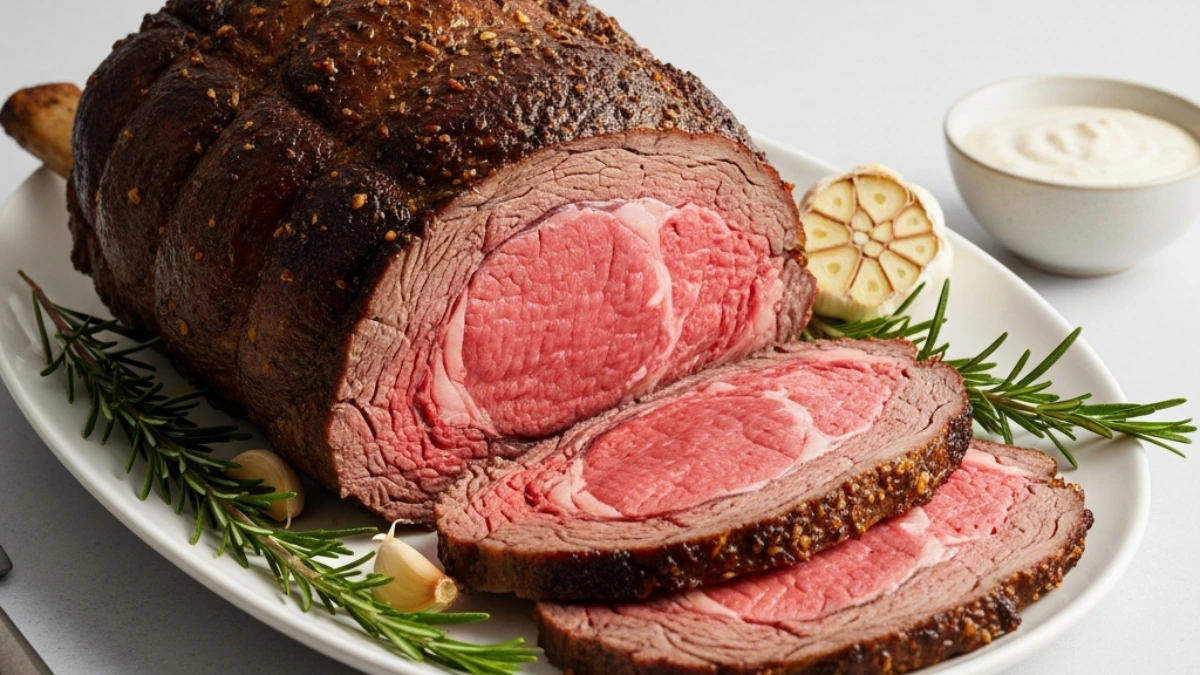
The first time I bit into a proper burnt end, I understood why people drive hours just to get them from their favorite BBQ spot. The exterior was sticky and caramelized, almost like candy. The inside was so tender it practically dissolved on my tongue.
And that smoke?
Pure magic.
Burnt ends come from the point end of a brisket. That’s the fattier part, the piece that most pitmasters used to trim off and snack on themselves. Someone smart realized these “scraps” were actually the best part of the whole brisket and started selling them.
Now they’re a Kansas City BBQ staple.
Making them at home takes most of a day. But here’s the thing: most of that time is just waiting while the smoker does its job. You’re not standing over it constantly. You check it, spritz it, and go about your day.
The payoff is massive.
What You’ll Need
For the Brisket
| Ingredient | Amount |
|---|---|
| Beef brisket point (the fatty end) | 5-6 lb |
| Brown sugar | 3 tablespoons |
| Paprika | 2 tablespoons |
| Black pepper | 1 tablespoon |
| Kosher salt | 1 tablespoon |
| Garlic powder | 1 tablespoon |
| Onion powder | 1 tablespoon |
| Cayenne pepper | 1 teaspoon |
| Mustard powder | 1 teaspoon |
For the Sauce
| Ingredient | Amount |
|---|---|
| BBQ sauce (your favorite) | 1 cup |
| Apple juice | ¼ cup |
| Honey | ¼ cup |
| Butter | 2 tablespoons |
For Smoking
- Wood chunks (hickory or oak)
- Apple juice or apple cider vinegar (for spritzing)

Tools You’ll Need
- Smoker or charcoal grill
- Meat thermometer (digital is best)
- Aluminum foil pan
- Sharp knife
- Cutting board
- Small bowl for rub
- Spray bottle
Pro Tips
The point cut is non-negotiable. The flat won’t work here. You need that marbling and fat cap to get the right texture. If your butcher only has whole briskets, ask them to separate the point for you.
Temperature matters more than time. Don’t pull your brisket at 5 hours just because a recipe said so. Pull it when it hits 195°F internal temp and feels probe-tender. That’s when all that collagen has broken down.
Cube size affects cooking time. I go for 1-inch cubes. Smaller pieces dry out too fast. Bigger ones take forever to caramelize. One inch is the sweet spot.
Don’t skimp on the second smoke. Some people just toss the cubes in sauce and call it done. Wrong move. That second round in the smoker is what creates the bark and intensifies the smoke flavor.
Save your pan drippings. That liquid at the bottom of your foil pan after the second smoke? It’s concentrated beef fat, smoke, and sauce. Pour it over the burnt ends before serving or save it to brush on other meats.
Substitutions and Variations
Can’t find brisket point? Chuck roast works. It’s got similar fat content and will give you tender results. Just trim it into a rectangular shape before you start.
Not into super sweet BBQ burnt ends? Cut the honey in half and add a tablespoon of Worcestershire sauce to the glaze for more savory depth.
Want heat? Double the cayenne in your rub or add hot sauce to the glaze. I like adding a teaspoon of chipotle powder for smoky heat.
No smoker? You can do this on a charcoal grill set up for indirect heat. Keep one side hot with coals, put the meat on the cool side, and add wood chunks to the coals. Maintain 250°F.
Swap apple juice for pineapple juice if you want tropical sweetness. Or use beer for a maltier flavor profile.
Make Ahead Tips
Smoke the whole brisket point a day ahead. Let it cool completely, wrap it tight in foil, and refrigerate.
When you’re ready to finish, cube it while it’s cold (way easier to cut clean cubes when the meat is chilled), toss in sauce, and do the second smoke.
The rub keeps for weeks in an airtight container. I always make a double batch.
You can also freeze fully cooked burnt ends for up to 3 months. Thaw overnight in the fridge and reheat in a 300°F oven with a splash of apple juice.
How to Make BBQ Burnt Ends
Step 1: Prep Your Meat
Trim any thick or rubbery fat from the brisket point, but leave a good ¼-inch layer. That fat renders down and keeps everything moist.
Pat the meat completely dry with paper towels. This helps the rub stick better.
Step 2: Make the Rub
Mix brown sugar, paprika, black pepper, salt, garlic powder, onion powder, cayenne, and mustard powder in a bowl.
Coat the entire brisket with the rub. Press it into the meat so it adheres.
Let it sit at room temp for 30-60 minutes while your smoker heats up. This takes the chill off the meat so it cooks more evenly.
Step 3: Set Up Your Smoker
Heat your smoker to 250°F. Add wood chunks once you’re at temp.
If you’re using a charcoal grill, pile coals on one side, place a drip pan on the other side, and put your meat over the pan.
Step 4: First Smoke
Place the brisket fat side up on the grate.
Close the lid and maintain 250°F for the entire cook.
Every hour, spritz the surface with apple juice. This keeps the bark from drying out and adds moisture.
Cook until the internal temp hits 195°F. This usually takes 5-6 hours, but go by temp, not time.
Key Point: When you probe the brisket, it should feel like sliding a knife through butter. That’s how you know the collagen has broken down.
Step 5: Rest and Cube
Pull the brisket and let it rest for 30 minutes on your cutting board.
Cut it into 1-inch cubes. They don’t need to be perfect, just roughly the same size.
Step 6: Make the Glaze
Mix BBQ sauce, apple juice, honey, and butter in a bowl until combined.
Toss the cubes in the glaze until every piece is coated.
Step 7: Second Smoke
Transfer the glazed cubes to an aluminum foil pan.
Put the pan back in the smoker at 250°F.
Smoke for 1.5-2 hours, stirring every 30 minutes so all sides get caramelized.
They’re done when they’re sticky, deeply colored, and so tender they barely hold together when you pick one up.
Step 8: Serve
Let them rest for 10 minutes before serving. This lets the juices settle back into the meat.
Pile them high and watch them disappear.
What to Serve With BBQ Burnt Ends
| Side Dish | Why It Works |
|---|---|
| Coleslaw | The crunch and tang cut through the richness |
| Mac and cheese | Double the comfort, all the indulgence |
| Baked beans | Classic BBQ pairing with sweet and savory balance |
| Cornbread | Soaks up all those pan drippings |
| Potato salad | Cool and creamy against smoky heat |
| Pickles | Acidity brightens every bite |
Leftovers and Storage
Store burnt ends in an airtight container in the fridge for up to 4 days.
Reheat in a 300°F oven for 15-20 minutes. Add a splash of apple juice to the pan so they don’t dry out.
Freeze them for up to 3 months. Thaw overnight in the fridge before reheating.
Leftover burnt ends are incredible chopped and stirred into baked beans, piled on a loaded baked potato, stuffed into a grilled cheese, or tossed with pasta and BBQ sauce.
I’ve also used them as pizza topping. No regrets.
Nutritional Information
Per 4 oz serving (approximately 6 servings per recipe):
| Nutrient | Amount |
|---|---|
| Calories | 480 |
| Protein | 28g |
| Fat | 32g |
| Carbohydrates | 18g |
| Fiber | 1g |
| Sugar | 14g |
| Sodium | 890mg |
Note: Nutritional values are estimates and will vary based on specific ingredients used.
FAQ
Can I make burnt ends without a smoker?
Yes, but you’ll need to add smoke flavor. Use your oven at 250°F and mix 1 tablespoon of liquid smoke into the rub. It won’t have the same depth, but it’ll still taste good. You could also finish them on a charcoal grill for the last hour to get some real smoke.
Why are my burnt ends tough?
Either you didn’t cook them long enough, or your temp was too high. Low and slow is the only way to break down all that connective tissue. If they’re tough, put them back in the smoker and give them another hour.
Do I have to use the point cut?
The point is ideal because of the fat marbling. The flat is too lean and will dry out. Chuck roast is your best substitute if you can’t get the point.
How do I know when they’re done after the second smoke?
They should be sticky and caramelized on the outside, and so tender they barely hold together. If you can easily pull one apart with your fingers, they’re ready.
Can I use store-bought BBQ sauce?
Absolutely. Pick one you genuinely like because it’s flavoring the whole dish. I usually go for a Kansas City-style sauce since that’s traditional for burnt ends.
What’s the best wood for smoking burnt ends?
Hickory is classic and gives you that strong, bacon-like smoke. Oak is milder and lets the beef shine through more. Avoid mesquite unless you want really intense smoke that can turn bitter.
Can I cook these on a pellet grill?
Yes. Set it to 250°F and follow the same process. Pellet grills make it even easier since they maintain temp automatically.
Common Mistakes to Avoid
❌ Using the flat instead of the point. You need that fat content.
❌ Cutting cubes before the first smoke. You’ll lose moisture and they’ll dry out.
❌ Skipping the spritz. That regular moisture keeps the bark from getting too hard.
❌ Pulling the meat too early. Wait for that probe-tender feel.
❌ Not stirring during the second smoke. You want all sides caramelized evenly.
Wrapping Up
If you’ve been intimidated by making BBQ burnt ends, don’t be.
Yes, they take time. But most of that is hands-off. And the result is something that’ll make you feel like a BBQ pit master.
The first batch might not be perfect. Mine wasn’t. But by the second or third time, you’ll have the rhythm down and you’ll be turning out burnt ends that rival any BBQ joint.
So fire up that smoker, grab a brisket point, and make something that’ll have everyone asking when you’re cooking again.
When you make these, drop a comment and tell me how they turned out. I want to hear about it.