You know that moment when you walk past the carving station at a Vegas buffet and the chef slices into a massive, perfectly crusted prime rib?
That’s what we’re making today. This casino-style prime rib recipe is a traditional American steakhouse classic that originated in the beef-loving kitchens of the Midwest. I’m talking about the kind of prime rib that makes you stop mid-conversation. The one with a dark, herb-crusted exterior that gives way to the most tender, rosy-pink center you’ve ever seen.
And here’s what nobody tells you: it’s actually one of the easiest impressive dinners you can make at home. Seriously.
The hardest part is waiting for it to cook while your kitchen smells like a five-star steakhouse.
What You’ll Need
| Ingredient Category | Items | Purpose |
|---|---|---|
| Main Protein | 1 bone-in prime rib roast (5-7 lbs) | The star of the show |
| Aromatics | 6 cloves garlic (minced), 3 tbsp fresh rosemary (chopped), 2 tbsp fresh thyme | Creates the flavor crust |
| Seasonings | 2 tbsp kosher salt, 1 tbsp black pepper (cracked) | Enhances natural beef flavor |
| Binders | 2 tbsp olive oil, 1 tbsp Dijon mustard | Helps herbs stick to meat |
| Au Jus Base | 2 cups beef stock, 1 cup dry red wine, 2 tbsp butter | Sauce components |
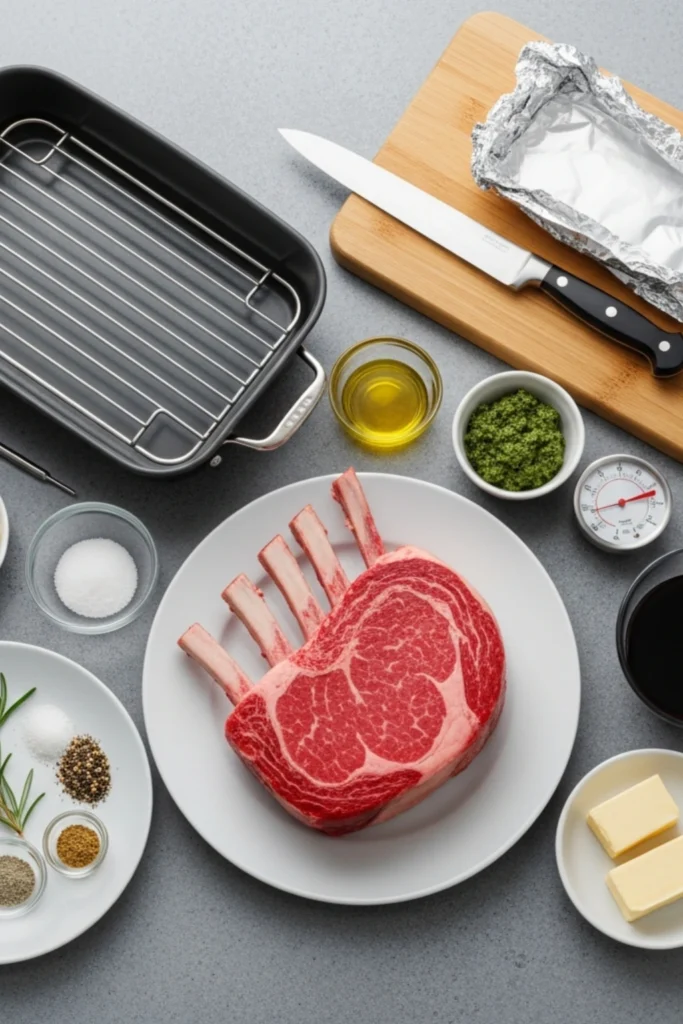
Essential Tools
- Roasting pan with rack
- Meat thermometer (this is non-negotiable)
- Sharp carving knife
- Large cutting board
- Small bowl for herb paste
- Aluminum foil
Pro Tips
Let it come to room temperature. Pull your roast out of the fridge 2-3 hours before cooking. Cold meat cooks unevenly and you’ll end up with a gray band around the edges. Room temp meat? Pure pink perfection from edge to center.
Invest in a good meat thermometer. Guessing temps is how you turn $100 worth of beef into expensive shoe leather. A digital probe thermometer takes all the stress out of it. You’ll know exactly when it’s done.
Expert Insight: According to the USDA, using a meat thermometer is the only reliable way to ensure your roast reaches safe internal temperatures while maintaining optimal texture and juiciness.
Don’t skip the resting period. I know it’s torture to wait when it smells that good, but resting lets the juices redistribute. Cut into it too early and all that beautiful moisture ends up on your cutting board instead of in your mouth.
Save those drippings. That brown stuff stuck to the bottom of your pan? Liquid gold. It’s what makes the au jus taste like it came from a steakhouse kitchen. Scrape up every bit.
Go bone-in if you can. The bones act as a natural roasting rack and add extra flavor. Plus, you get to gnaw on them later when nobody’s looking. 😋
Substitutions and Variations
| Original Ingredient | Substitute Options | Notes |
|---|---|---|
| Bone-in roast | Boneless rib roast | Reduce cooking time by 15 min/lb |
| Fresh rosemary & thyme | Sage & oregano OR garlic & pepper only | Match your taste preferences |
| Red wine | All beef stock OR beef stock + balsamic vinegar | Wine adds depth but isn’t required |
| Standard herb rub | Add 2 tbsp brown sugar to rub | Creates caramelized sweet-savory bark |
Feeding a crowd? Scale up to an 8-10 pound roast but keep the same herb proportions. Just add 20-30 minutes to your cook time.
Make Ahead Tips
The herb paste can be made up to 3 days ahead and stored in the fridge.
You can also season your prime rib the night before. Just wrap it tightly and refrigerate, then bring it to room temp before cooking.
The au jus reheats beautifully. Make it while the meat rests, then store it in the fridge for up to 3 days. Reheat gently on the stovetop.
How to Make Prime Rib (Step-by-Step)
Step 1: Prep the roast
Take your prime rib out of the fridge and let it sit on the counter for 2-3 hours. You want it at room temperature before it goes in the oven.
Pat it completely dry with paper towels. Any moisture on the surface will steam instead of creating that crispy crust we’re after.
Step 2: Make the herb crust
In a small bowl, mix together the minced garlic, rosemary, thyme, salt, pepper, olive oil, and Dijon mustard. It should form a thick paste.
Rub this mixture all over the roast. Get it on the top, sides, and ends. Really massage it into the meat.
Step 3: Set up for roasting
Place your roast bone-side down (if using bone-in) on a rack in your roasting pan. The rack lets air circulate underneath for even cooking.
Insert your meat thermometer into the thickest part of the roast, making sure it’s not touching bone.
Step 4: The initial blast
Preheat your oven to 450°F.
Put the roast in and let it cook at this high temp for 20 minutes. This creates that beautiful browned crust.
Step 5: Low and slow
After 20 minutes, reduce the oven temperature to 325°F without opening the door.
Continue roasting until your thermometer reads 120°F for rare, 125°F for medium-rare, or 130°F for medium. This usually takes about 15-20 minutes per pound.
For a 6-pound roast, you’re looking at roughly 1.5 to 2 hours total cooking time.
Step 6: Rest it
When it hits your target temp, pull it out and tent it loosely with foil.
Let it rest for at least 20 minutes. The internal temp will rise another 5-10 degrees during this time.
Step 7: Make the au jus
While the meat rests, place your roasting pan over two burners on medium heat.
Pour in the wine and use a wooden spoon to scrape up all those browned bits from the bottom of the pan.
Let the wine reduce by half, about 5 minutes.
Add the beef stock and bring to a simmer. Cook for another 5 minutes.
Strain the mixture into a clean saucepan. Whisk in the butter and season with salt and pepper.
Step 8: Carve and serve
Remove the bones if you want (or leave them on for presentation).
Slice against the grain into thick or thin slices, depending on your preference.
Arrange on a platter and serve with the warm au jus on the side.
Leftovers and Storage
Store leftover prime rib wrapped tightly in foil or in an airtight container in the fridge for up to 4 days.
Reheating without drying out: Place slices in a baking dish with a splash of beef broth. Cover with foil and warm in a 250°F oven for about 10-15 minutes.
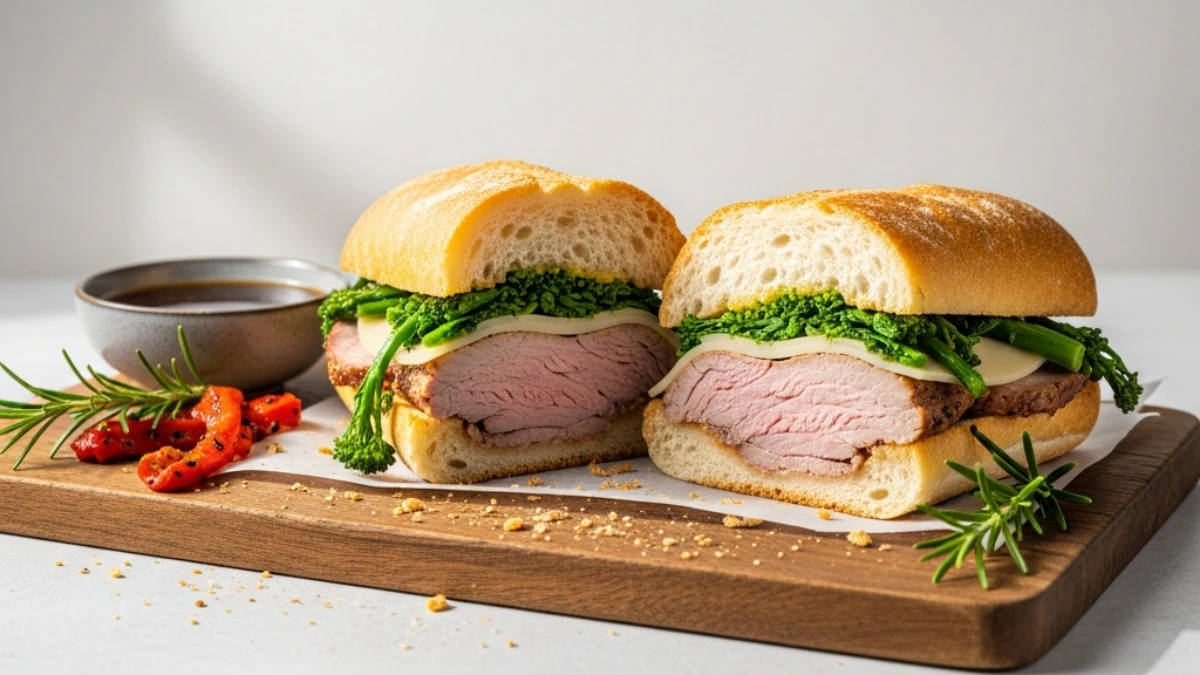
Or go the cold route. Thinly sliced cold prime rib on a sandwich with horseradish mayo is one of life’s great pleasures.
The au jus keeps in the fridge for up to 5 days or can be frozen for up to 3 months. Reheat gently on the stovetop.
Nutritional Breakdown
| Per 6 oz Serving | Amount |
|---|---|
| Calories | 520 |
| Protein | 42g |
| Fat | 38g |
| Carbohydrates | 2g |
| Fiber | 0g |
| Sodium | 890mg |
Nutritional values are approximate and will vary based on the exact cut of meat used
Perfect Pairings for Prime Rib
Prime rib basically demands classic steakhouse sides.
Creamy horseradish sauce is traditional for a reason. The sharp, pungent kick cuts through all that rich beef fat.
Garlic mashed potatoes are the obvious choice, but roasted fingerlings with rosemary work too.
For vegetables, keep it simple:
- Roasted asparagus with lemon
- Sautéed green beans with shallots
- Glazed carrots (if you’re feeling fancy)
And don’t forget a big Caesar salad to start. Crunchy romaine, garlicky dressing, fresh parmesan. Classic.
Timing Your Prime Rib Dinner
If you’re serving dinner at 6:00 PM, here’s your timeline:
| Time | Task |
|---|---|
| 3:00 PM | Take roast out of fridge |
| 5:00 PM | Season and put in oven |
| 6:30 PM | Remove from oven, tent with foil |
| 6:30-6:50 PM | Make au jus and finish sides |
| 6:50 PM | Carve and serve |
The beauty of this cut is that it holds its heat really well during the resting period, so you have time to get everything else ready.
Why Bone-In Makes a Difference
The bones aren’t just for show.
They act as insulators, protecting the meat next to them from overcooking. That means the meat closest to the bone stays extra juicy and tender.
They also add flavor as the roast cooks. The marrow inside the bones melts and bastes the meat from the inside.
Plus, after everyone’s had their fill, those bones make incredible beef stock. Roast them again until deeply browned, then simmer with vegetables and herbs for the best stock you’ve ever made.
Prime Rib Temperature Guide
| Doneness | Pull Temperature | Final Temperature |
|---|---|---|
| Rare | 120°F | 125-130°F |
| Medium-Rare | 125°F | 130-135°F |
| Medium | 130°F | 135-140°F |
| Medium-Well | 135°F | 140-145°F |
Critical Reminder: The temp will rise during resting. Always pull your roast 5-10 degrees before your target.
And here’s something most people don’t know: the ends will always be more done than the center. So if you’re feeding people with different preferences, the end cuts go to the well-done lovers while the center slices go to the rare enthusiasts.
Common Prime Rib Mistakes to Avoid
Skipping the sear. That initial high-heat blast creates flavor. Don’t skip it.
Opening the oven door constantly. Every time you open it, you lose heat and add time to your cook. Trust your thermometer.
Cutting too soon. I know the anticipation is killer, but cutting before the rest period means dry meat. Be patient.
Overcrowding the pan. Your roast needs space for air to circulate. Don’t add vegetables to the roasting pan or they’ll steam instead of roast.
Using low-quality beef. This is a splurge cut. Get the best quality you can afford. Prime grade if possible, Choice at minimum.
FAQ About Making Prime Rib
How much prime rib per person?
Plan on about 1 pound of bone-in prime rib per person, or 12 ounces per person for boneless. This accounts for the bone weight and gives you some leftovers.
Can I cook this on the grill?
Absolutely. Set up for indirect heat (coals on one side, meat on the other for charcoal, or burners on one side for gas). Follow the same temperature guidelines. You’ll get a subtle smoky flavor that’s amazing.
What if I don’t have a meat thermometer?
Get one. Seriously. They’re like $15 and the difference between perfect prime rib and disappointing prime rib. But in a pinch, use the finger test: the meat should feel like the fleshy part of your palm when you touch your thumb to your ring finger for medium-rare.
Should I tie the roast?
If it’s boneless, yes. Tying helps it keep its shape and cook evenly. For bone-in, you don’t need to unless your butcher removed the bones and tied them back on.
Can I make this ahead for a party?
Not really. Prime rib is best served fresh from the oven. But you can season it the night before and have everything prepped so all you have to do on party day is put it in the oven.
What’s the difference between prime rib and ribeye?
They’re the same cut of beef. Prime rib is the whole roast. Ribeye steaks are cut from that same roast. So you’re basically making several ribeyes still attached to each other.
Why is it called prime rib?
The name comes from the “primal rib” section of the cow where this cut is located. It doesn’t necessarily mean USDA Prime grade, though Prime grade is definitely what you want if you can get it. Learn more about beef grading standards from the USDA.
My roast cooked faster than expected. Why?
Ovens vary, and the shape of your roast affects cooking time. A shorter, thicker roast cooks faster than a long, thin one of the same weight. This is why a meat thermometer is essential.
Wrapping Up
Making prime rib at home sounds intimidating, but it’s honestly one of the most forgiving roasts out there.
The key is good meat, a simple herb crust, and a reliable thermometer. Do those three things right and you’ll have people convinced you secretly trained at a Vegas steakhouse.
The leftovers are almost as good as the main event. Prime rib hash for breakfast. French dip sandwiches for lunch. Cold slices with horseradish and crackers for a midnight snack.
Have you made prime rib before? Drop a comment and tell me how it turned out. And if you have questions before you dive in, ask away. I’m here for it.