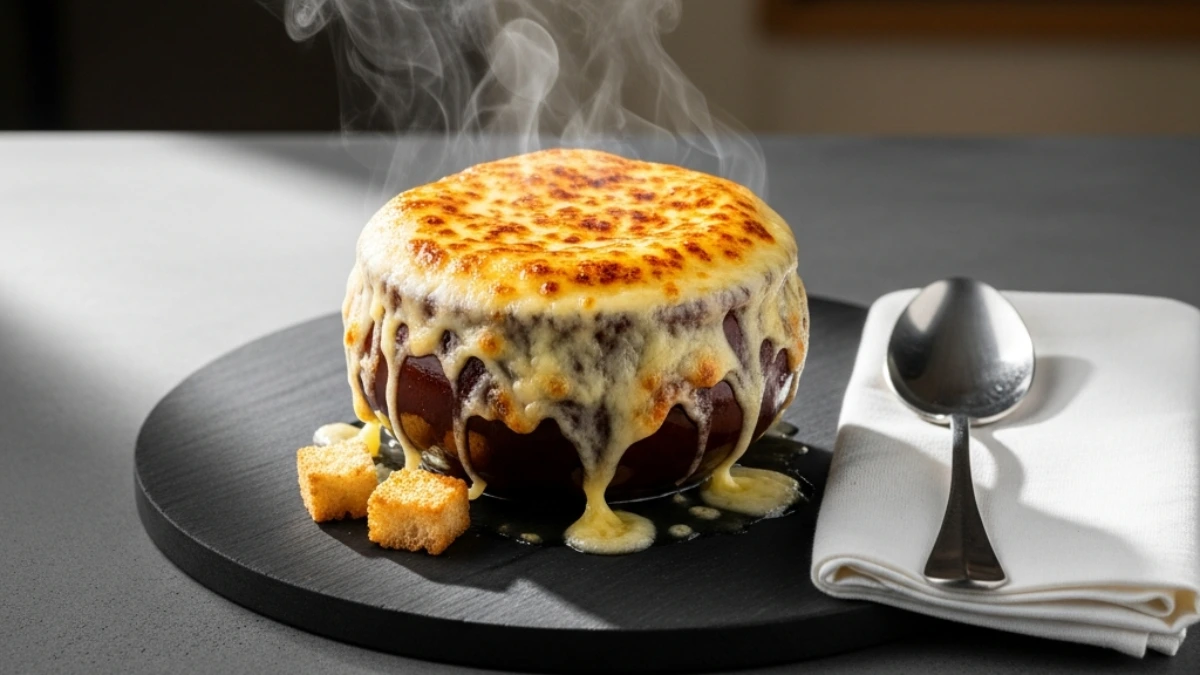
Cioppino (chop-PEE-no), the iconic Italian-American seafood stew from San Francisco, is way easier to make than you’d think.
I had been curious about this dish for quite awhile, but it was so much better than what I had expected when I actually made it at home. The layers of flavor, the tender seafood, the rich tomato broth that tastes like the ocean met a really good marinara and decided to become best friends.
This isn’t some fancy restaurant secret you need culinary school to master. It’s a weeknight-friendly recipe that just happens to look and taste like you spent hours in the kitchen.
Let me show you exactly how to nail it.
What You’ll Need
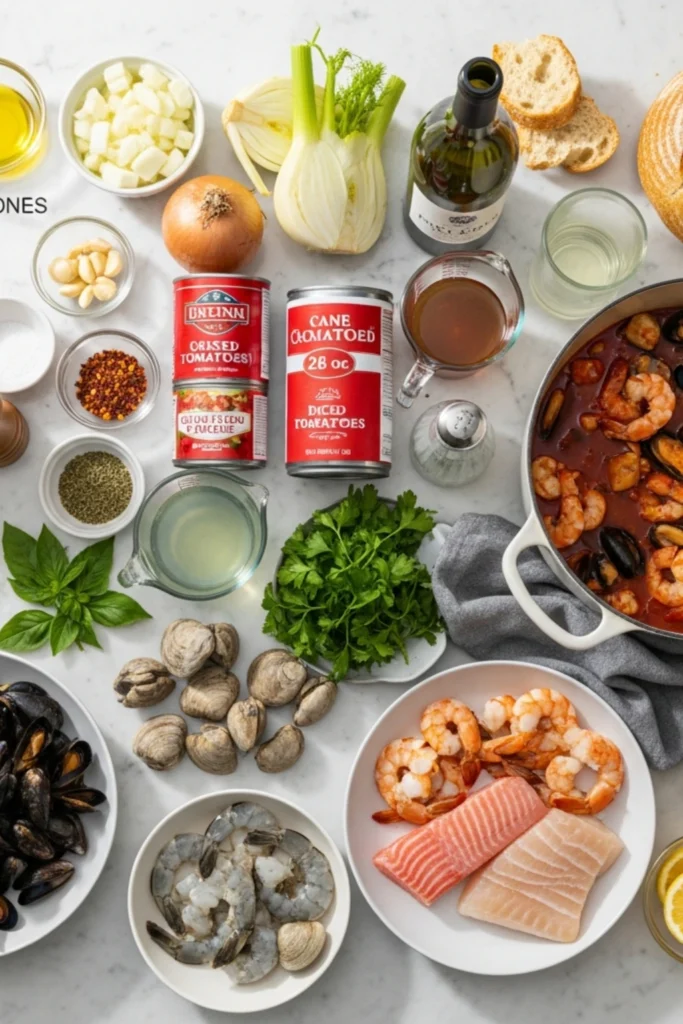
The Broth Base
| Ingredient | Amount | Notes |
|---|---|---|
| Olive oil | 3 tablespoons | Extra virgin for best flavor |
| Yellow onion | 1 large, diced | Sweet onions work too |
| Fennel bulb | 1 medium, sliced thin | Save fronds for garnish |
| Garlic | 6 cloves, minced | Fresh only, no jarred |
| Red pepper flakes | 1 teaspoon | Adjust for heat preference |
| White wine | 1 cup | Pinot Grigio or Sauvignon Blanc |
| Crushed tomatoes | 28 oz can | San Marzano if possible |
| Diced tomatoes | 14.5 oz can | With juices |
| Seafood stock | 2 cups | Or fish stock |
| Clam juice | 1 cup | Adds that ocean flavor |
| Bay leaves | 2 | Remove before serving |
| Dried oregano | 1 teaspoon | Italian preferred |
| Dried basil | 1 teaspoon | Or 2 tablespoons fresh |
| Salt & pepper | To taste | Season generously |
The Seafood
| Seafood Type | Amount | Preparation |
|---|---|---|
| Mussels | 1 pound | Cleaned, debearded |
| Littleneck clams | 1 pound | Scrubbed clean |
| Large shrimp | 1 pound | Peeled, deveined, tails on |
| Firm white fish | 1 pound | Halibut, cod, or sea bass, 2-inch chunks |
| Lump crab meat | ½ pound | Optional but incredible |
For Serving
- Fresh parsley, chopped
- Crusty sourdough bread
- Lemon wedges
- Extra virgin olive oil for drizzling
Tools You’ll Need
- Large Dutch oven or heavy-bottomed pot (6+ quarts)
- Sharp chef’s knife
- Cutting board
- Wooden spoon
- Ladle
- Large serving bowls
Pro Tips
Talk to your fishmonger. Ask what came in fresh that morning. The quality of your seafood will make or break this cioppino recipe. You want fish that smells like clean ocean water, not fishy at all.
Don’t fear the fennel. I know it sounds weird if you’ve never cooked with it, but this vegetable adds a subtle sweetness that you can’t get anywhere else. It mellows completely as it simmers and just becomes part of the magic.
Master the timing. Clams and mussels need 5-7 minutes to open. Fish needs 3-4 minutes. Shrimp needs 2-3 minutes tops. Add everything at once and you’ll have rubbery shrimp or undercooked clams. This is the one trick that separates good cioppino from great cioppino.
Let that broth develop. The 20-minute simmer isn’t optional. The tomatoes need to lose their raw edge, the wine needs to mellow, and all those flavors need time to become friends. Put on some music and just let it do its thing.
Serve immediately. This isn’t a make-ahead meal. The seafood is at peak tenderness right when it’s done. The bread soaks up the broth perfectly. Everything just works better fresh.
How to Make Cioppino
Step 1: Build Your Flavor Foundation
Heat your olive oil in the Dutch oven over medium heat. Once it’s shimmering (not smoking), add the diced onion and sliced fennel.
Cook for 8 minutes, stirring every couple minutes. You want them soft and starting to turn golden at the edges, sweet and fragrant.
Add the minced garlic and red pepper flakes. Stir constantly for about a minute. Your kitchen should smell absolutely incredible right now. If your neighbors knock, just invite them for dinner.
Step 2: Add the Liquids
Pour in that white wine. Let it bubble and reduce by half, about 3-4 minutes. You’ll see the liquid level drop noticeably and the alcohol smell will fade.
Now add both cans of tomatoes, the seafood stock, and clam juice. Toss in your bay leaves, oregano, and basil. Season with salt and pepper (be generous with the pepper).
Bring everything to a boil, then reduce heat to low. Let it simmer uncovered for 20 minutes. Stir occasionally and taste as you go.
Chef’s Note: This is where the magic happens. Those 20 minutes transform separate ingredients into a unified, rich broth that tastes like San Francisco’s waterfront in a bowl.
Step 3: Add the Seafood (Order Matters)
Turn heat up to medium. First, nestle in your clams and mussels. Cover the pot and let them steam for 5 minutes.
Next, add the fish chunks. They should be partially submerged in the broth. Cover again and cook for 3 minutes.
Finally, add the shrimp and crab meat if using. Cover one last time and cook for 2-3 minutes until shrimp are pink and curled.
How to know it’s done:
- Clams and mussels are open (discard any that didn’t open)
- Fish flakes easily with a fork
- Shrimp are opaque and C-shaped
- Everything smells like heaven
Step 4: Serve Like a Pro
Ladle the cioppino into large, wide bowls. Make sure everyone gets a good mix of seafood in every serving.
Sprinkle fresh parsley over the top. Drizzle with good olive oil. Add lemon wedges on the side.
Serve with thick slices of crusty sourdough bread. This part is non-negotiable. You need that bread to soak up every last drop of broth.
Substitutions and Variations
| Instead of | Use This | Notes |
|---|---|---|
| White wine | Extra stock + 2 tbsp lemon juice | For alcohol-free version |
| Fennel | ½ onion + ½ tsp fennel seeds | Not ideal but works |
| Seafood stock | Chicken or vegetable broth | Less ocean-y but still good |
| Any seafood | Scallops, calamari, lobster | Use what’s fresh |
| Spice level | Half or double red pepper flakes | Customize heat |
Regional Variations:
- Classic SF style: Stick to Dungeness crab if you can find it
- East Coast version: Add scallops and increase clam ratio
- Spicy twist: Add calabrian chili paste with the tomatoes
- Lighter option: Skip the crab, add more white fish
Make Ahead Tips
The broth can be made up to 2 days in advance. Just stop before adding any seafood. Let it cool completely, then store in an airtight container in the fridge.
When you’re ready to serve, reheat the broth until it’s simmering, then add your fresh seafood following the timing in the recipe.
You can also prep all your vegetables in the morning. Dice the onion, slice the fennel, mince the garlic. Keep everything in separate containers in the fridge until you’re ready to cook.
What NOT to prep ahead:
- Don’t add seafood until you’re ready to serve
- Don’t clean shellfish more than 2 hours before cooking
- Don’t cut the fish too early (it gets mushy)
Storage and Leftovers
Store leftover cioppino in an airtight container in the fridge for up to 2 days.
The seafood will firm up a bit as it sits in the acidic broth, but it’s still delicious. Some people actually prefer the flavors the next day after everything has melded together.
Reheating tips:
- Heat gently over low-medium heat
- Don’t let it boil (seafood gets rubbery)
- Add a splash of stock if it’s too thick
- Eat within 2 days for best quality
Freezing isn’t recommended. The texture of seafood changes dramatically when frozen and thawed in broth. Just make what you’ll eat.
Nutritional Breakdown
Per serving (recipe serves 6):
| Nutrient | Amount | % Daily Value |
|---|---|---|
| Calories | 385 | 19% |
| Protein | 42g | 84% |
| Carbohydrates | 18g | 6% |
| Fat | 12g | 15% |
| Fiber | 4g | 14% |
| Sodium | 980mg | 43% |
| Omega-3 fatty acids | 1.2g | Excellent source |
Why this cioppino recipe is nutritious:
- High in lean protein from seafood
- Packed with omega-3 fatty acids for heart health
- Rich in vitamins and minerals (selenium, vitamin B12, zinc)
- Tomatoes provide lycopene and antioxidants
- Low in saturated fat
- Fennel aids digestion
Pairing Suggestions
Wine: Stick with crisp whites. The same Pinot Grigio or Sauvignon Blanc you used in the recipe works beautifully. A dry Riesling or Vermentino are also excellent choices.
Starter: Keep it simple. A green salad with lemon vinaigrette or a classic Caesar. You don’t want to compete with the bold flavors of the cioppino.
Side dishes:
- Garlic bread (in addition to the sourdough)
- Roasted asparagus with lemon
- Simple arugula salad
- Grilled zucchini
Dessert: Go light and refreshing. Vanilla panna cotta, lemon sorbet, or tiramisu. Something that cleanses the palate after all that rich, tomatoey goodness.
Time-Saving Tips
Use pre-cleaned seafood. Most fish counters will clean shellfish for you if you ask. Worth every penny.
Buy jarred minced garlic if you’re short on time. I know, I know. But fresh is only 10% better and sometimes convenience wins.
Skip the fennel slicing and ask the produce person to do it on their slicer. Takes 30 seconds and saves you 5 minutes at home.
Double the broth and freeze half for next time. Then you’re literally 15 minutes from cioppino whenever the craving hits.
FAQ
Can I use frozen seafood for this cioppino recipe?
Yes, but thaw it completely first and pat everything very dry with paper towels. Frozen seafood releases more liquid as it cooks, which can water down your broth. Fresh is always better if you can swing it, but frozen works in a pinch.
Why didn’t my clams or mussels open?
They were probably dead before you cooked them. Always tap any open shellfish before cooking. If they don’t close up, toss them. And any that stay closed after cooking should be discarded too. Don’t risk it.
Can I make cioppino spicier?
Absolutely. Add more red pepper flakes, stir in some calabrian chili paste with the tomatoes, or serve it with hot sauce on the side. I like to add a pinch of cayenne too.
What’s the difference between cioppino and bouillabaisse?
Great question! Bouillabaisse is French, traditionally uses saffron and fennel seeds, and has a more delicate flavor. Cioppino is Italian-American, tomato-based, bolder, and more rustic. Both are incredible seafood stews but with different personalities.
How do I properly clean mussels and clams?
Scrub them under cold running water with a stiff brush to remove any grit or barnacles. Pull off the beards (those stringy bits) from mussels. Soak them in cold salted water for 20 minutes before cooking to help them purge any sand.
Can I double this recipe?
You can, but you’ll need a massive pot. It’s honestly easier to make two separate batches if you’re feeding a crowd. The seafood cooks better in a single layer anyway.
Is cioppino gluten-free?
The stew itself is naturally gluten-free. Just serve it with gluten-free bread instead of sourdough.
How long does cioppino last in the fridge?
Up to 2 days in an airtight container. Beyond that, the seafood starts to get questionable. This is a recipe you want to make and enjoy fresh.
Wrapping Up
There’s something about making cioppino at home that just feels special.
Maybe it’s the way your kitchen smells while the broth is simmering. Maybe it’s how impressive it looks when you carry those big bowls to the table. Or maybe it’s just that it tastes like you put in way more effort than 45 minutes.
This is the kind of meal that turns a random Tuesday into an occasion. The kind of dinner that makes people pause mid-conversation because they’re too busy enjoying every bite.
So grab some fresh seafood this weekend and give it a shot. Make it for someone you want to impress. Or just make it for yourself on a night when you want something that feels luxurious without the stress.
When you do, come back here and drop a comment. Tell me what seafood you used. Tell me if you made it spicier. Tell me if your family asked you to make it again next week.
I want to hear all about your cioppino adventures. 🦐