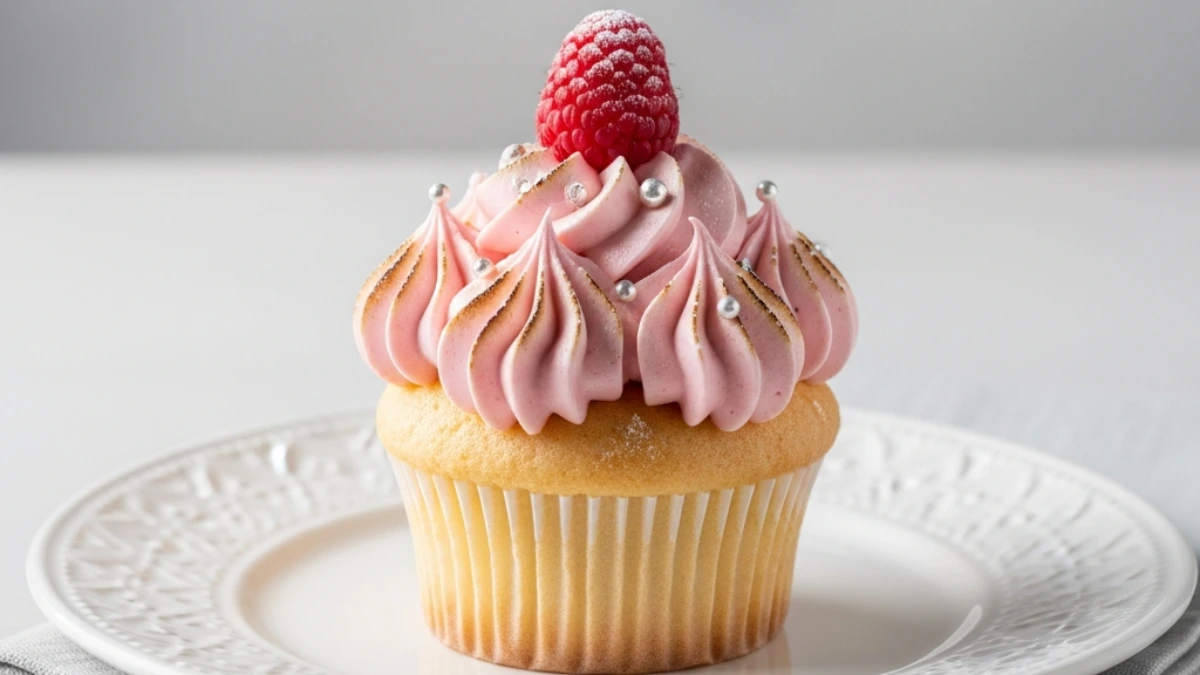
The grouper sandwich is a Gulf Coast classic that’s been stealing the show at beachside shacks across Florida, Alabama, and the Florida Panhandle for decades. And making it at home? Completely doable, wildly delicious, and honestly more satisfying than ordering one out.
Grouper is firm, mild, slightly sweet, and holds up to a crispy cornmeal crust like it was made for it. Because it kind of was.
By the end of this post, you’ll have everything you need to build the most satisfying fish sandwich you’ve had outside of a vacation. And there’s one trick toward the end that most people skip, but it completely changes the texture of the finished sandwich.
Keep reading.
What You’ll Need
For the Fish
- 2 grouper fillets (6–8 oz each, about 1 inch thick)
- 1 cup all-purpose flour
- 1 cup fine cornmeal
- 1 tsp garlic powder
- 1 tsp smoked paprika
- 1 tsp onion powder
- 1/2 tsp cayenne pepper
- 1 tsp salt
- 1/2 tsp black pepper
- 2 large eggs
- 1/4 cup buttermilk
- 3–4 cups vegetable oil (for frying)
For the Creamy Slaw
- 2 cups shredded green cabbage
- 1/2 cup shredded purple cabbage
- 1/4 cup shredded carrots
- 3 tbsp mayonnaise
- 1 tbsp apple cider vinegar
- 1 tsp honey
- Salt and pepper to taste
For the Remoulade Sauce
- 1/3 cup mayonnaise
- 1 tbsp Dijon mustard
- 1 tbsp hot sauce (Crystal or Tabasco)
- 1 tsp fresh lemon juice
- 1/2 tsp smoked paprika
- 1/4 tsp garlic powder
For Building the Sandwich
- 2 brioche buns
- 1 tbsp butter (for toasting)
- Sliced dill pickles
- 1 tomato, sliced
- Lettuce leaves
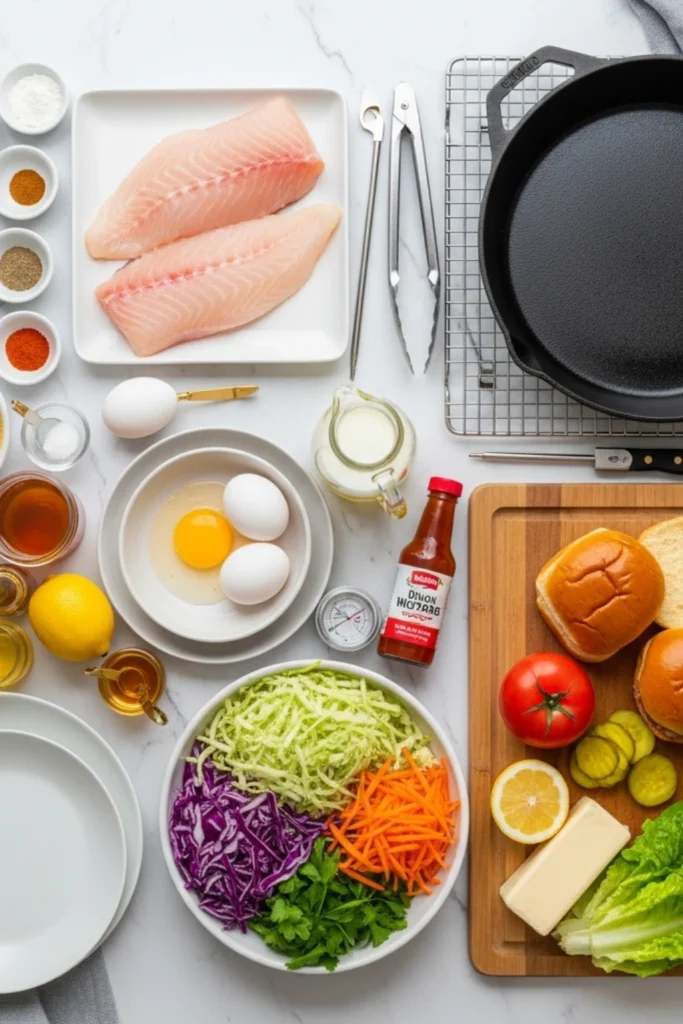
Tools You’ll Need
- Large cast iron skillet or deep frying pan
- Cooking thermometer
- 3 shallow bowls (dredging station)
- Wire rack + baking sheet
- Tongs
- Paper towels
- Knife and cutting board
- Large mixing bowl
- Small bowl
Pro Tips
These are the details that separate a forgettable fish sandwich from one you’ll crave on a Tuesday.
1. Dry the fish aggressively. Pat every surface with paper towels until there’s zero visible moisture. Wet fish = no crust. This step takes 30 seconds and makes a massive difference.
2. Use a thermometer, not guesswork. 350°F is your target oil temperature. Below that, the fish absorbs oil and gets greasy. Above it, the outside burns before the inside cooks. A $10 thermometer solves this completely.
3. Make the slaw at least 20 minutes early. Freshly made slaw tastes raw and harsh. Give it time to soften slightly and the flavors will mellow out into something genuinely good.
4. Butter-toast your buns in a skillet. Sixty seconds cut-side down in a buttered pan gives you a golden, slightly crispy surface that holds up to sauce and slaw without going soggy. The toaster can’t do what butter and a hot skillet can.
5. Rest the fish on a wire rack, not paper towels. Paper towels trap steam underneath the fish. Steam softens the crust you just worked to build. A wire rack lets air circulate on all sides and keeps everything crispy until it hits the bun.
How to Make the Grouper Sandwich Recipe
Step 1: Make the Slaw First
Combine the green cabbage, purple cabbage, and carrots in a large bowl.
Whisk together mayonnaise, apple cider vinegar, honey, salt, and pepper in a small bowl. Pour over the cabbage mixture and toss well.
Cover and refrigerate while you prepare everything else.
Step 2: Mix the Remoulade
Stir together mayonnaise, Dijon mustard, hot sauce, lemon juice, smoked paprika, and garlic powder in a small bowl.
Taste and adjust heat if needed. Refrigerate until assembly.
Step 3: Build Your Dredging Station
Set up three shallow bowls in a row:
- Bowl 1: All-purpose flour + a pinch of salt and pepper
- Bowl 2: Eggs whisked with buttermilk
- Bowl 3: Cornmeal + garlic powder + smoked paprika + onion powder + cayenne + salt + black pepper
Pat your grouper fillets completely dry.
Step 4: Dredge the Fish
Working one fillet at a time:
- Coat in flour (shake off the excess)
- Dip into the egg-buttermilk mixture
- Press firmly into the cornmeal mixture on both sides
Set on a clean plate and let sit for 5 minutes. This resting period helps the coating bond to the fish before it hits the hot oil.
Step 5: Fry the Grouper
Add vegetable oil to the cast iron skillet to about 1-inch depth. Heat over medium-high until the thermometer reads 350°F.
Carefully lower fillets into the oil with tongs. Fry 3–4 minutes per side until deep golden brown.
Transfer directly to the wire rack. Do not stack the fillets.
Step 6: Toast the Buns
Butter the cut sides of your brioche buns. Place cut-side down in a hot skillet over medium heat for about 60 seconds until golden brown.
Step 7: Build the Sandwich
Spread remoulade generously on both halves of the bun.
Layer lettuce, then tomato slices, then the crispy grouper fillet.
Pile the creamy slaw on top of the fish. Add pickles.
Put the top bun on and serve immediately.
Substitutions and Variations
No grouper at your local market? No problem.
| Fish | Notes |
|---|---|
| Mahi-mahi | Closest in texture, excellent substitute |
| Red snapper | Slightly more delicate, still great |
| Cod or halibut | Thicker cut, add 1 extra minute per side |
| Tilapia | Lighter and thinner, reduce cook time to 2 min/side |
Cooking method swaps:
| Method | Instructions |
|---|---|
| Grilled | Brush with olive oil, grill 4 min per side on medium-high |
| Air fryer | Spray with oil, 400°F for 10–12 min, flip halfway |
| Baked | Wire rack on baking sheet, 425°F for 16–18 min |
Sauce and topping variations:
- Mango slaw instead of classic slaw for a tropical version
- Avocado slices add creaminess and balance the heat
- Sriracha aioli instead of remoulade for extra kick
- Greek yogurt in place of mayo in both the slaw and sauce (lighter option)
Make Ahead Tips
One of the smartest things you can do with this recipe is prep components in advance.
- Slaw: Make up to 24 hours ahead, store covered in the fridge
- Remoulade: Keeps for up to 5 days in an airtight container
- Dry dredging mix: Combine the seasoned flour and cornmeal up to 3 days ahead in separate zip-lock bags
Note: The fish is always best fried fresh. It loses its crunch fast once it sits, so time your fry to match when you’re eating.
Nutrition Breakdown
Per assembled sandwich (approximate):
| Nutrient | Amount |
|---|---|
| Calories | ~680 kcal |
| Protein | 42g |
| Carbohydrates | 55g |
| Total Fat | 28g |
| Fiber | 4g |
| Sodium | 890mg |
Grouper is naturally high in lean protein and lower in fat than most other popular fried fish options. A single 6 oz fillet delivers roughly 35–37g of protein on its own. According to the USDA FoodData Central, grouper is also a solid source of selenium, potassium, and vitamin B12. 💪
Meal Pairing Suggestions
This sandwich is a full meal on its own, but if you’re building something out:
Sides that work:
- Sweet potato fries
- Hush puppies
- Corn on the cob with butter
- Extra slaw served on the side
Drinks:
- Iced sweet tea (the Gulf Coast way)
- A cold lager or pale ale
- Sparkling water with lime
Dessert:
- Key lime pie if you’re committing to the full Florida experience
Leftovers and Storage
Fried fish and storage are not natural friends, but here’s how to handle it:
- Fridge: Store leftover fried grouper in an airtight container for up to 2 days
- Reheat: Oven or air fryer at 375°F for 6–8 minutes — avoid the microwave entirely
- Slaw: Keeps separately in the fridge for up to 3 days
- Buns: Store unused buns at room temperature, toast fresh when needed
One rule: Never assemble the sandwich in advance. The bun soaks up sauce and moisture quickly and turns into a sad, soggy mess.
FAQ
What does grouper taste like? Mild, slightly sweet, and firm with a large flake. It’s not “fishy” tasting at all, which makes this grouper sandwich recipe ideal for people who are skeptical about fish sandwiches.
Can I use frozen grouper? Yes, just thaw completely in the fridge overnight and pat it very dry before dredging. Getting the moisture out is the most important step.
Can I bake instead of fry the grouper? You can. Place dredged fillets on a wire rack over a baking sheet, spray generously with cooking oil, and bake at 425°F for 15–18 minutes. Not quite as crispy, but still really good.
What oil is best for frying? Vegetable oil, canola oil, or peanut oil. All have high smoke points. Olive oil is not suitable for deep frying at these temperatures.
Is this recipe spicy? Mildly. The cayenne and hot sauce give a gentle warmth. Reduce or omit the cayenne and use less hot sauce in the remoulade to dial it back completely.
Why is my crust falling off? Two reasons: the fish was too wet before dredging, or you didn’t let it rest after dredging. Both steps are non-negotiable if you want the coating to stay on.
Can I use a regular bun instead of brioche? Absolutely. A toasted hoagie roll or kaiser bun both work well. Brioche just adds a slight sweetness that balances the savory fish beautifully.
Wrapping Up
A well-made grouper sandwich hits different from anything else in the fish sandwich category. 🐟
The crispy cornmeal crust, the creamy tangy slaw, the bold remoulade, all tucked into a buttery toasted bun. It’s the kind of meal that makes a random weeknight feel like something worth sitting down for.
Give this recipe a shot, and when you do, leave a comment below. Tell me what fish you used, what swaps you made, how it turned out. Any questions at all, drop them down there too. I love hearing how these recipes land in real kitchens.